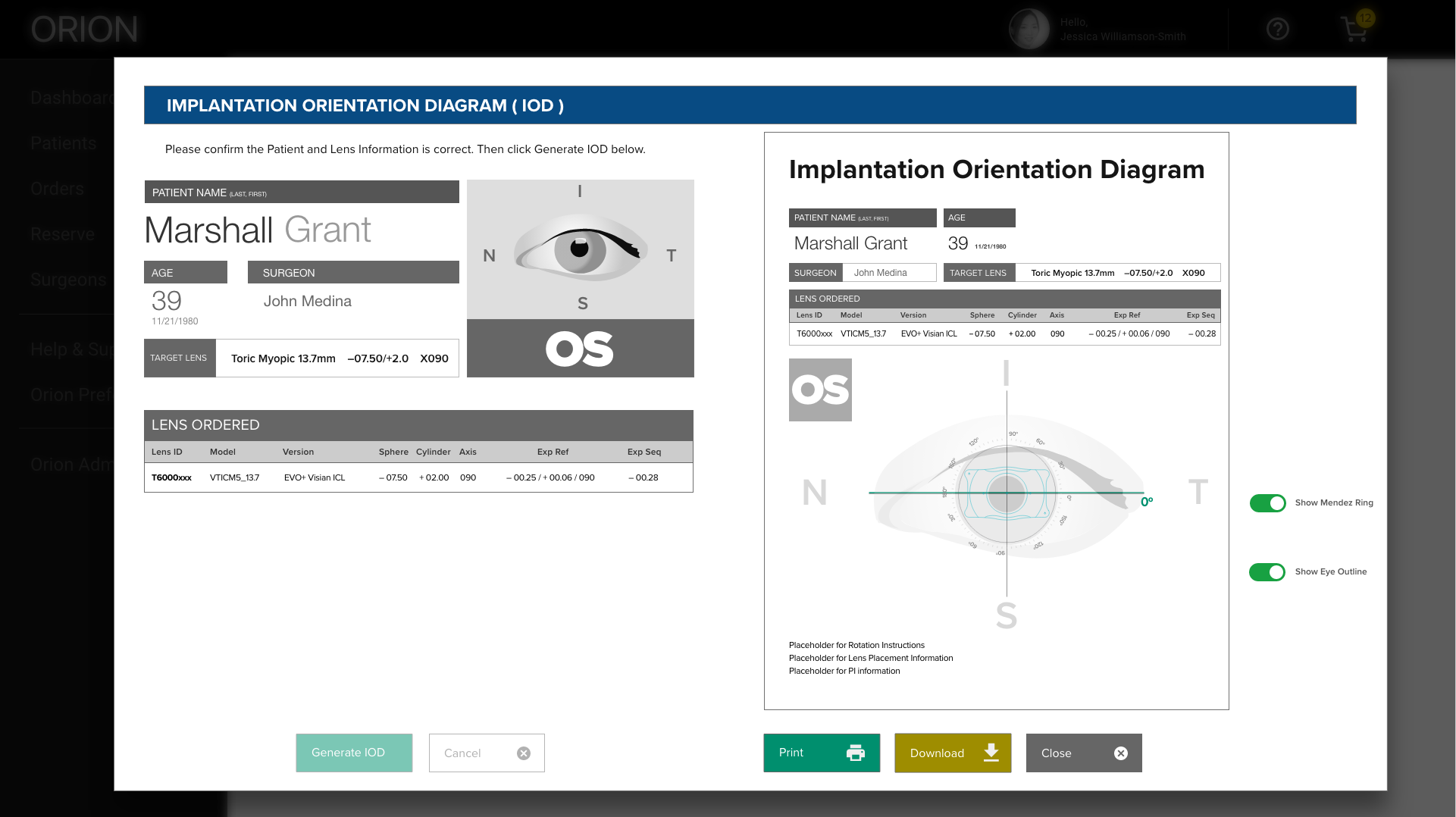
What They Thought They Needed
A software upgrade. STAAR Surgical is a global leader in implantable lenses for eye care, and their inventory management system was aging out. It was slow, inefficient, and costing them money as it fell further behind each year.
They wanted something faster, more modern, and most importantly patient-centered.
The Problem
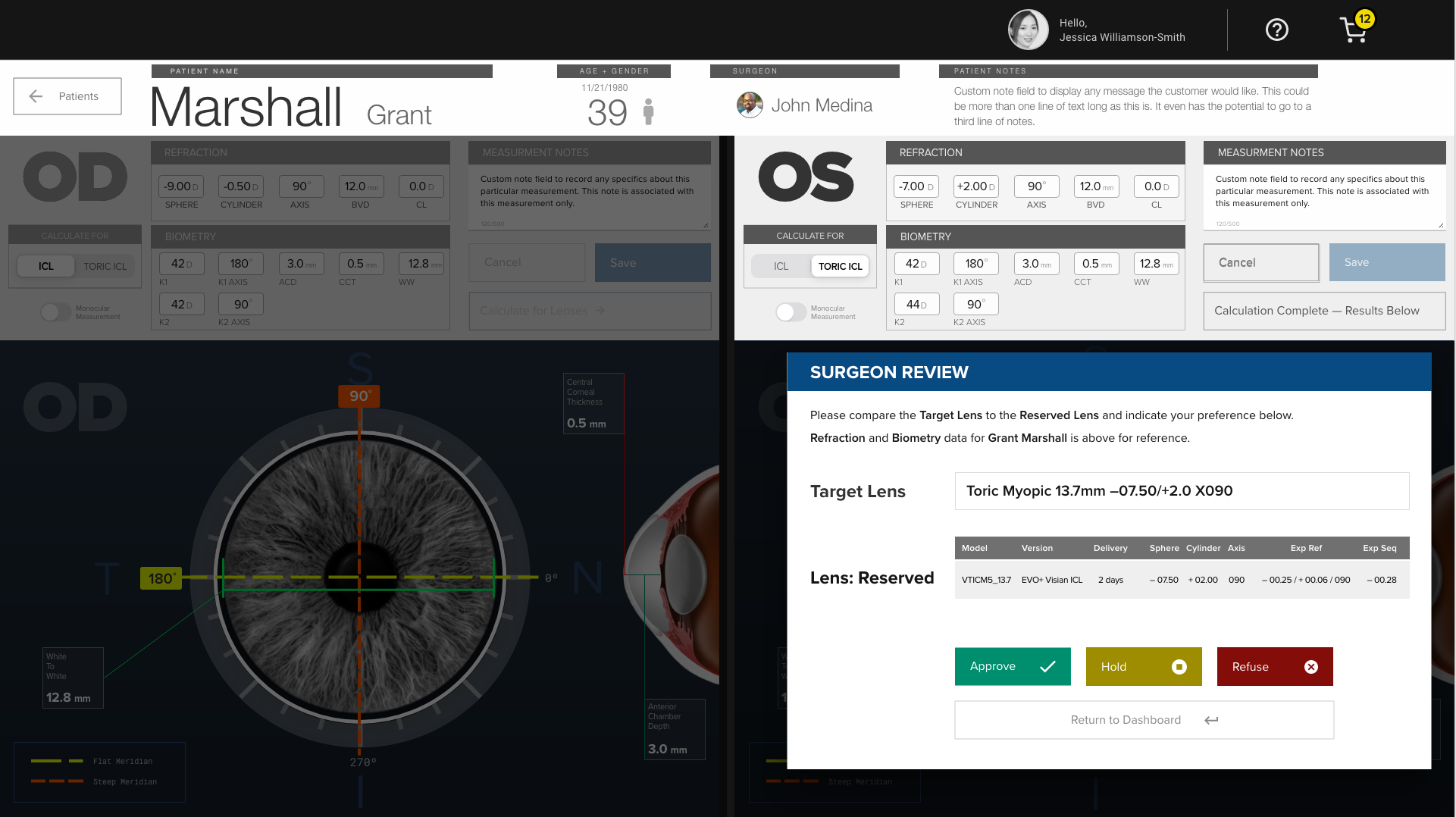
The software was not just old. It was misaligned with how the organization actually worked.
Through video interviews with staff across departments, I mapped workflows, pain points, and the gaps between what the system assumed and what people actually needed to do their jobs. The real problem was not speed or aesthetics. It was that the system did not reflect how a global lens manufacturer operates in practice.
The work required translating between technical teams, users, and executive stakeholders who each saw the problem differently.
What Changed
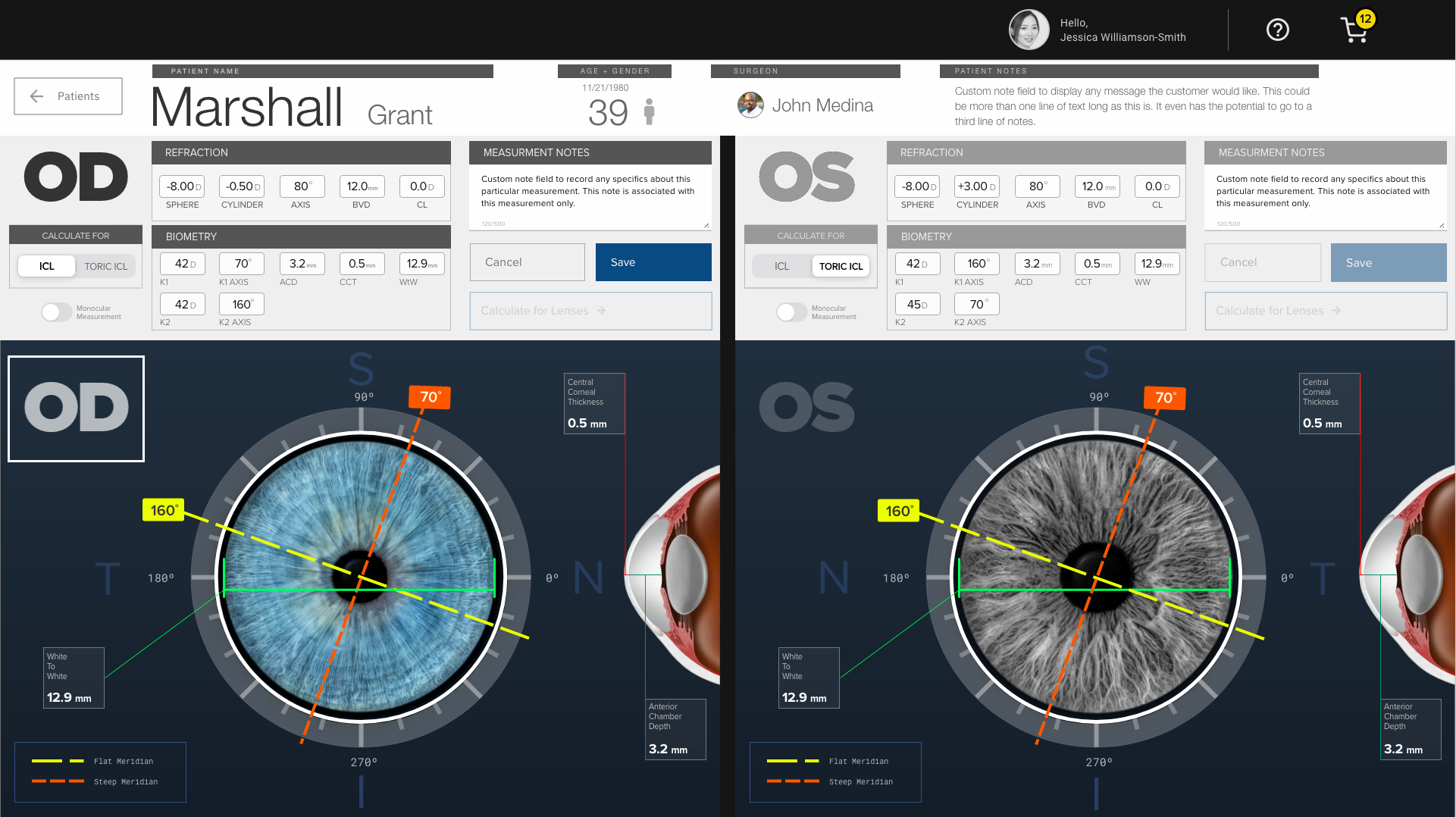
We redesigned the entire business system from the ground up. My discovery work and design recommendations convinced their C-suite that the project was worth investment and worth doing right.
The quality of research, the clarity of the prototypes, and my communication skills secured the full software development contract for my employer. What mattered was not just the designs. It was showing the organization what they actually needed and building confidence that we understood their business deeply enough to deliver it.