What I Needed
I needed a reliable way to transcribe audio locally on macOS. Most existing solutions fell into two camps: cloud services with recurring costs, or local tools that technically worked but were fragile and required constant tweaking.
I wanted something different: a system that runs locally, costs nothing to operate, and can be trusted to keep working without babysitting.
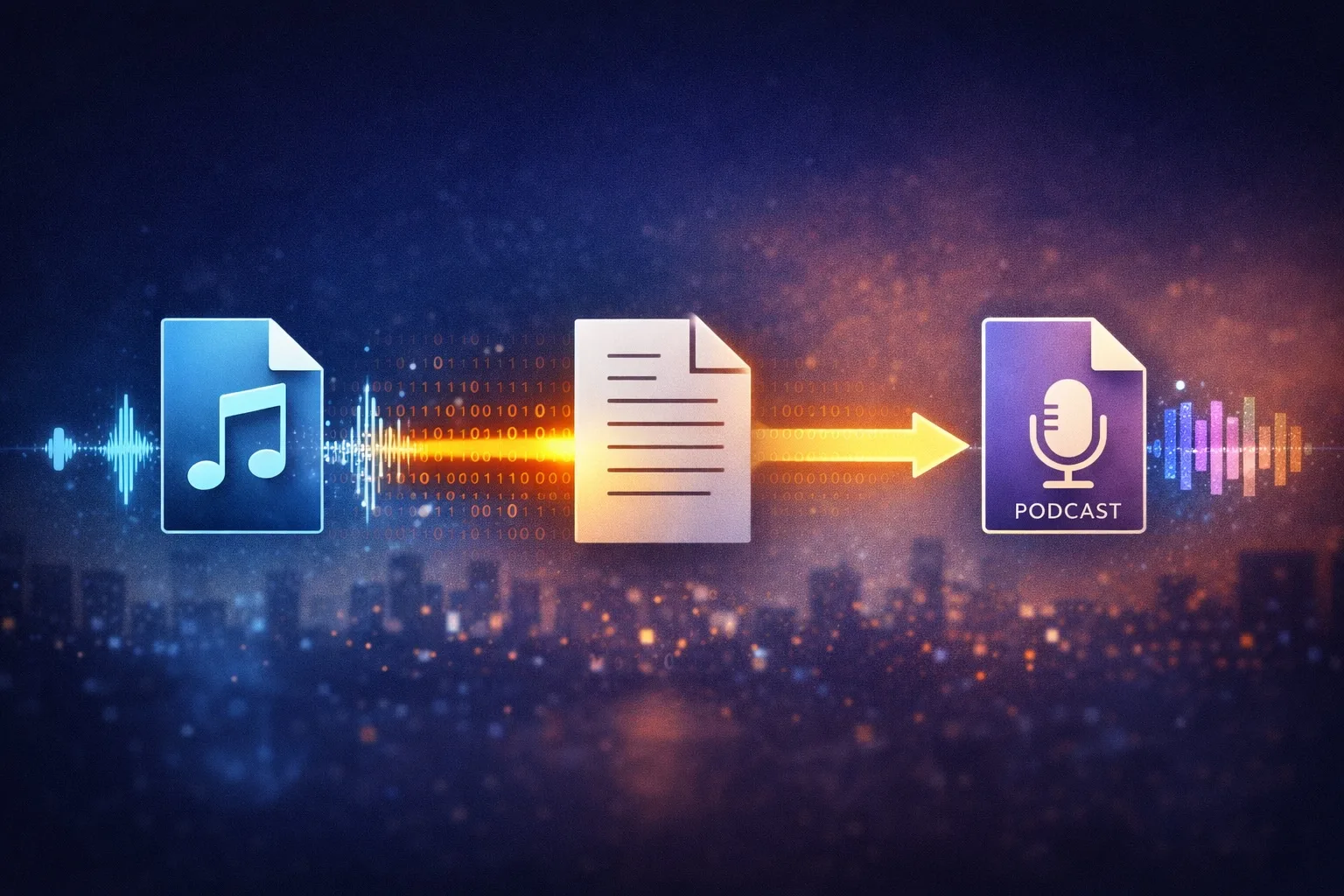
The Problem
The problem was not how to transcribe audio. That part is already solved. The real problem was architectural: how to build a stable, automated transcription pipeline on macOS that does not require subscriptions, external services, or constant maintenance.
My first Python-based approach mostly worked, which was the problem. Real testing exposed Python version conflicts, Homebrew restrictions, silent CPU fallbacks, numerical instability on Apple’s GPU backend, and limitations that only surfaced under actual use. Combined, those issues made the system fragile.
What Changed
The breakthrough was reframing the solution around macOS and Apple Silicon. I rebuilt the system using a native Whisper implementation that talks directly to Metal.
The result is a watch folder for incoming audio, automatic error handling and logging, native GPU-accelerated transcription, no Python ML dependencies, and no subscriptions, cloud services, or per-minute costs. Python still plays a role, but only as orchestration. The heavy lifting happens in native code, where macOS is strongest.
Why This Matters
The final system is intentionally boring: predictable, quiet, stable, repeatable. That is exactly what infrastructure should be. It costs nothing to run, uses hardware already owned, and can be audited, modified, or frozen as needed.